

How to Care for Your Hair Patch or Hair System: Complete Maintenance Guide
A hair system is only as good as the care routine behind it. Two clients with the identical base and hair quality can end up with very different results after a few months, purely based on how they've cared for it day to day. This guide covers the complete routine in detail — not just the basics, but the small habits, seasonal adjustments, and warning signs that actually determine how long your system looks freshly installed.
Why a Care Routine Matters More Than the System Itself
It's tempting to think that a higher-quality base or more expensive hair is what determines how good a system looks over time. In practice, aftercare matters just as much. A mid-range system that's washed correctly, dried gently, and reattached on schedule will consistently outlast and out-look a premium system that's neglected. Think of the routine below as part of the system itself, not an optional add-on.
Daily Care Basics
These are the small, everyday habits that protect both the hair and the bond without taking any extra time out of your day.
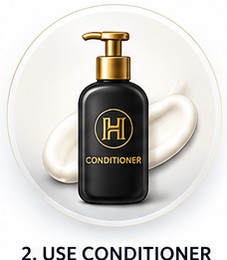
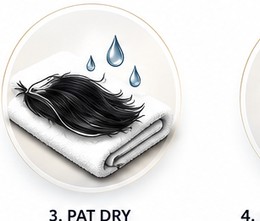
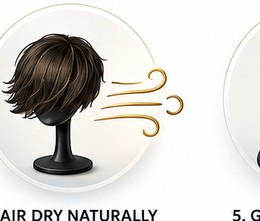
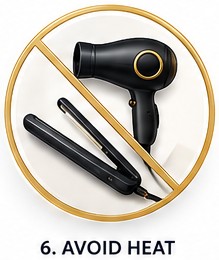
Washing Your Hair System, Step by Step
Washing is where most of the damage — or most of the protection — actually happens. The goal is to clean thoroughly without stripping the bond or drying out the hair fibres faster than necessary.
Sleeping With a Hair System
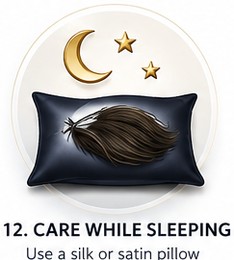
Friction while you sleep is one of the most underrated causes of premature wear — several hours of a cotton pillowcase rubbing against the edges every night adds up faster than most people expect.
Protecting the Bond and Edges
The bond is what keeps your system secure and undetectable, and it's more sensitive to products and environment than most people assume.
Deep Cleaning the Base
Even with regular washing, natural oils and product residue gradually build up on the underside of the base — invisible day to day, but it eventually affects both hold and hygiene. Periodically (roughly every reattachment cycle), use a proper adhesive remover — never household solvents or rubbing alcohol — to clear this buildup from the base without damaging the material or irritating your scalp. This is also the right time to inspect the base closely for any early signs of wear before they become visible.
Storing Your System When Not in Use
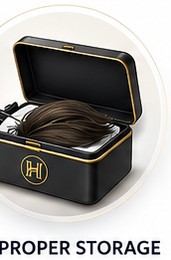
How you store your hair system between wears matters more than most people expect — leaving it crumpled in a drawer can distort the shape and damage the hair over time.
Product Do's and Don'ts
Reattachment Schedule: What Actually Determines Timing
There's no single universal number here, despite what you might read elsewhere. Reattachment timing depends on a combination of factors: the adhesive type used, your base material, how active your lifestyle is, how much you sweat, and your local climate.
Seasonal Care Tips for Pune's Climate
Local weather has a real, measurable effect on how a hair system holds up — Pune's mix of humid monsoon months, hot summers, and drier winters each call for small adjustments.
A Simple Weekly Care Routine
- 2–3 wash days per week, spaced evenly rather than back-to-back
- Daily gentle brushing and a quick visual check of the edges
- Silk/satin pillowcase or wrap every night
- Scalp protector spray reapplied as needed, especially before workouts or hot days
- A full edge and base inspection at each scheduled reattachment visit
Signs It's Time for a Studio Visit
None of the following are emergencies, but they're worth addressing sooner rather than later — small issues are far easier to fix than ones that have been left for weeks.
Most premature hair system problems trace back to two things: over-washing and skipping reattachment schedules.
Frequently Asked Questions
How often should I wash my hair system?
Two to three times a week is typical — washing daily tends to wear down the bond faster than necessary.
Can I use my regular shampoo?
A sulfate-free shampoo is generally gentler on both the hair and the base. Heavy, sulfate-based shampoos can dry out the hair fibres and affect the bond over time.
What's the biggest mistake people make with maintenance?
Skipping scheduled reattachment visits. Waiting too long between visits is the most common reason a system starts lifting or looking less natural.
Does Pune's monsoon weather affect my hair system?
Yes — higher humidity can loosen adhesive bonds faster than usual. A scalp protector spray and slightly more frequent edge checks help during the monsoon months.
Can I exercise or swim with a hair system?
Yes, most systems are designed to handle an active lifestyle, though a sweat-resistant adhesive and prompt rinsing after heavy sweating help it hold up better.
What should I do if I notice an odour from the base?
This usually signals oil or product buildup underneath the base. It's best addressed with a professional deep clean rather than just an extra home wash.
Ready to Talk to Someone About Your Hair?
Book a private, no-obligation consultation and get advice specific to your hair, not just general guidance.
Book Consultation on WhatsApp